

Category: Symbols
-
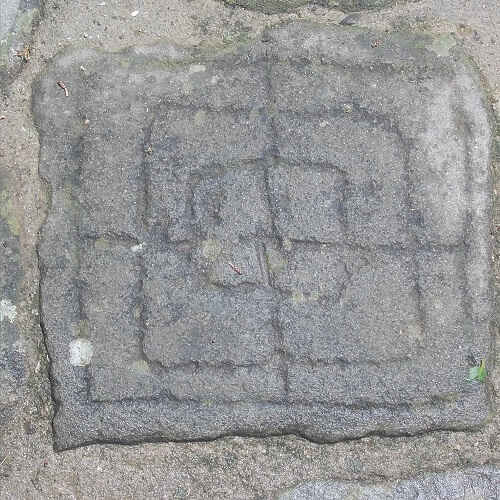
Collodi Castle, the lost village
In the heart of the province of Pistoia, in Tuscany, lies Collodi Castle (Collodi Castello), a village with a fairy-tale atmosphere. Steep slopes, rugged climbs, picturesque cottages enveloped in an almost magical aura and verdant paths welcome visitors to this small village. This small hamlet of Collodi appears faintly in the distance, remote and almost…
-
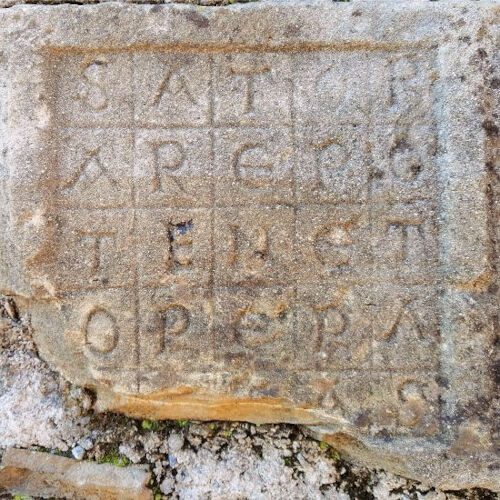
The Sator Square of Brusaporto Castle
In medieval times, at the foot of an imposing castle, lay the lively village of Brusaporto. The town, located a short distance from Bergamo, was first mentioned in 1260 in a census requested by the Holy See, which attested to its existence under the name “Ecclesia S.tae Margheritae de Brusaporco“1. The reasons for this particular…
-
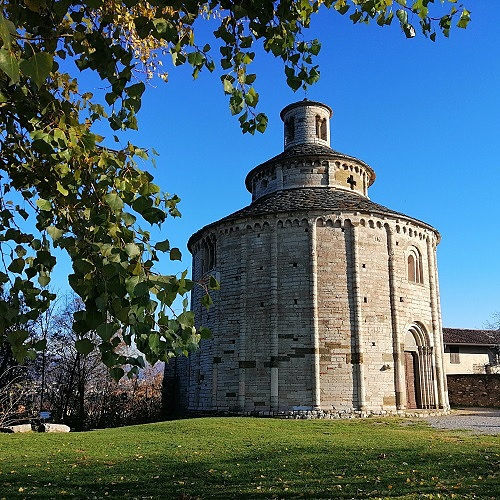
The symbology of the Rotunda of Saint Thomas
A pretty tree-lined avenue leads to the Rotunda of Saint Thomas. Fallen orange and brown leaves cover the ground. Although the autumn advances with an atmosphere of transience, the centuries-old trees on either side of the short walkway seem not care. The graceful place gives a lot of tranquillity and inspires inner peace. Under a…
-
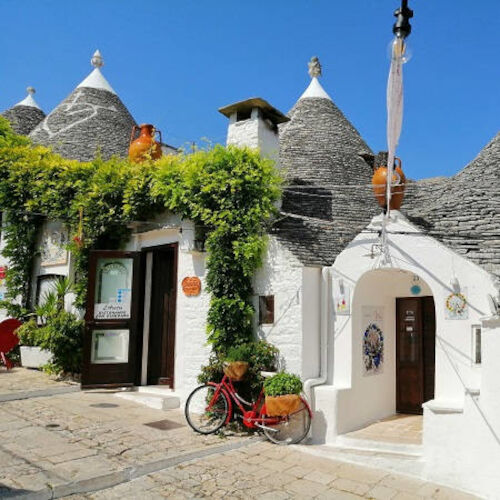
The trulli of Alberobello and the mysterious pictograms
Alberobello is a cute little town in Puglia. Nestled against the gentle slopes of the Murge Plateau, the village is spread over a hillside. It owes its fame to the typical conical buildings made of the local dry limestone. These are the “trulli”: buildings of ancient origin, whose mysterious construction techniques have been preserved over…
-

The Flower of Life, symbol of rebirth
The term “Flower of Life” refers to a geometric and symbolic representation consisting of six petals inscribed within a circle, a motif found across various civilisations throughout history. Archaeologists have uncovered similar depictions throughout Europe, the Middle East, ancient Egypt and elsewhere, often in decorative contexts. Due to its widespread occurrence, we cannot interpret the…
-

The symbols of the Basilica of San Michele Maggiore in Pavia
The imposing Basilica of San Michele Maggiore dominates the centre of Pavia. It is the Romanesque soul of the city, still alive and present today. With its massive appearance, the sandstone walls adorned with friezes and symbols tell of the history, faith, and culture of the Middle Ages. Like an illustrated compendium, they reveal a…
-

The symbolism of the lion
The figure of the lion has always raised great fascination and concern in human beings because of its majesty and, at the same time, ferocity. It constitutes, from the earliest times, a metaphor of the enemy-animal to defend against in order to safeguard life. The Lion-man of Holenstein A particular evidence of this ancestral state…
-
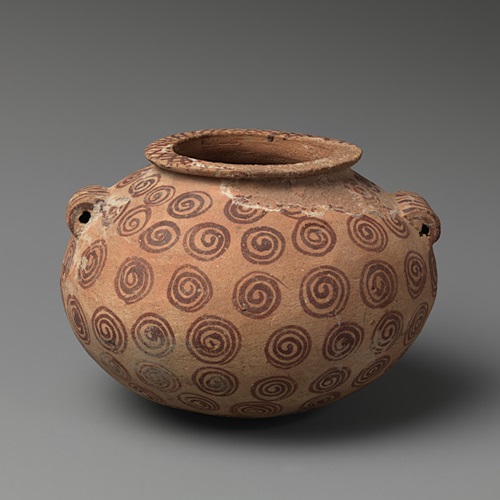
The Spiral, symbol of life
In the apparent chaos of nature, early humans recognised recurring shapes and signs. They identified geometries that revealed the presence of a divine order. Circles, triangles and squares defined the structure of matter, as seen in flowers, mountains and living beings. The combination of geometric figures achieved increasing levels of harmony, constituting the hidden seeds…
-

The labyrinth between history and mythology
The labyrinth symbol spread across ancient Mediterranean cultures, perhaps originating from a single cultural centre1. Its etymology, though clouded by the mixture of myth and reality, legend and history, provides some possible clues to its origins. The Greek term labýrinthos (λαβύρινθος2) may derive from Labrys, a double-bladed axe of antiquity, characteristic of Minoan civilisation. It…
-

The ancient symbolism of the almond or vesica piscis
The myth tells of a Greek maiden named Phyllis, the daughter of the King of Thrace, and her tragic love for Demophon. While returning from the Trojan War, the hero stopped in the land and promised to marry her as soon as he had finished his duties in Athens. However, many years passed and Demophon…